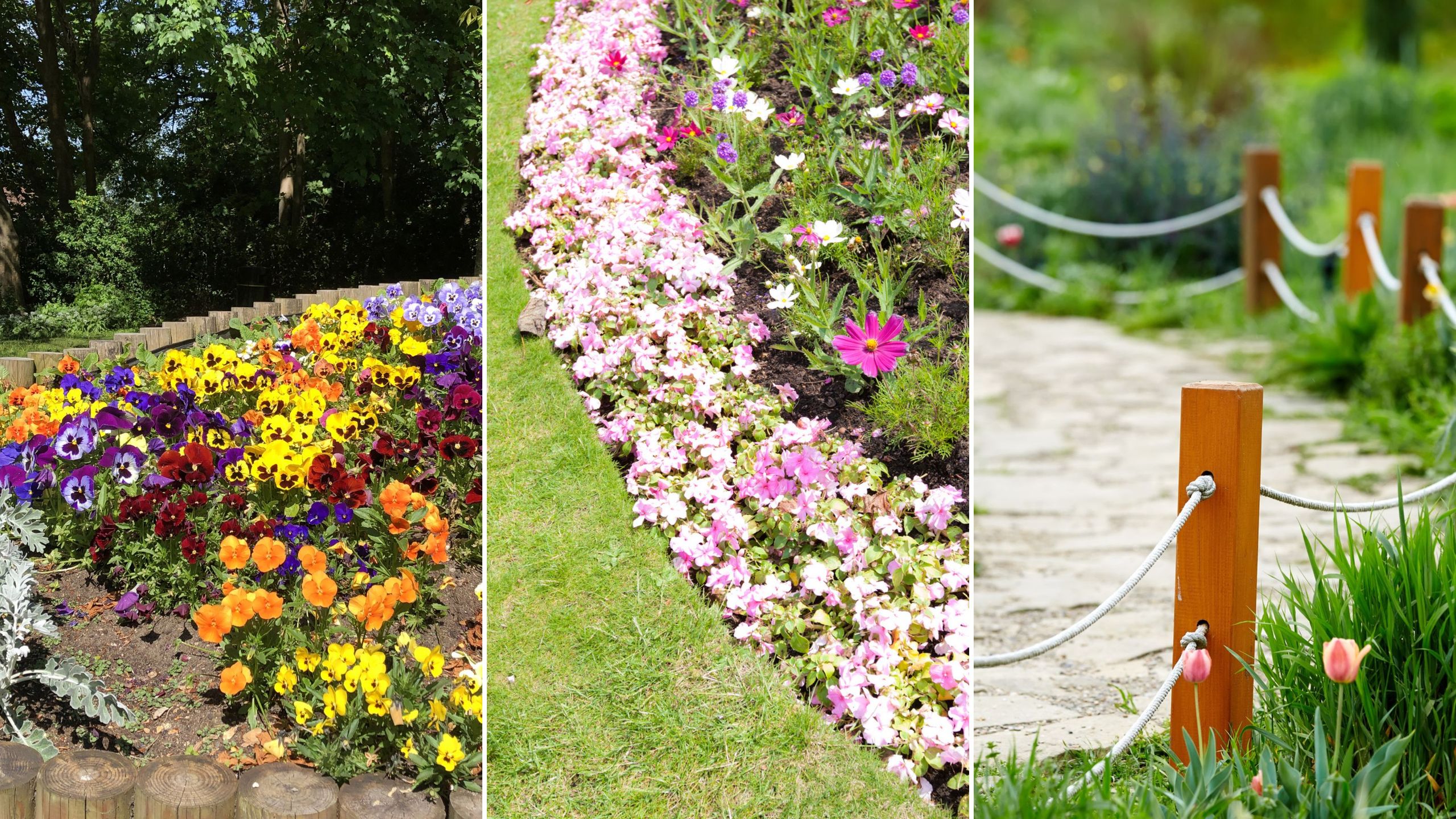
DIY Garden Edging: Enhance Style, Prevent Weeds & Add Value
Transforming your outdoor space doesn't have to be a costly or complicated endeavor. One of the most impactful yet accessible DIY projects you can tackle is installing garden edging. Far more than just a decorative touch, well-chosen and properly installed edging defines your landscape, streamlines maintenance, and significantly boosts your home's curb appeal. Whether you're battling persistent weeds, seeking to create distinct garden zones, or simply want to give your lawn a polished, professional look, exploring various
lawn edging ideas is a fantastic starting point.
Why Embrace DIY Garden Edging? More Than Just a Pretty Border
Investing a little time and effort into garden edging yields a wealth of benefits that extend beyond mere aesthetics. This simple addition can fundamentally change how you interact with and perceive your garden.
- Aesthetic Payoff & Defined Borders: Edging acts as a crisp line between different landscape elements – be it your lawn and a flower bed, a pathway and a shrubbery, or even framing a raised garden. This clear definition creates a sense of order and elegance, making your entire garden look more intentional and professionally designed. It allows you to highlight specific features, turning ordinary garden beds into captivating focal points.
- Weed & Grass Control: One of the most practical advantages of garden edging is its ability to act as a barrier. It effectively prevents grass runners and invasive weeds from creeping into your carefully cultivated flower beds and vegetable patches. This means less time spent on back-breaking weeding and more time enjoying your beautiful outdoor sanctuary.
- Simplified Maintenance: Edging makes lawn care a breeze. With a clear border, you can easily guide your lawn mower along the edges without damaging plants or spraying grass clippings into your beds. This keeps your lawn tidy and distinct from its surrounding zones with minimal effort, making your sessions with the best lawn mower even easier and more enjoyable. For a comprehensive look at how edging simplifies upkeep, consider reading our guide on Boost Curb Appeal & Simplify Care: Your Guide to Lawn Edging.
- Erosion Prevention: On slopes or areas prone to runoff, certain types of garden edging can help stabilize soil and prevent erosion. By creating a physical boundary, it holds soil and mulch in place, protecting your landscape from the elements.
- Boosts Curb Appeal & Property Value: A well-maintained garden with clearly defined edges sends a strong message of care and attention to detail. This immediately enhances your home's curb appeal, making it more attractive to visitors and potential buyers. Consequently, landscape edging is a smart home improvement that can positively affect your property value.
Exploring Popular DIY Lawn Edging Ideas
The beauty of DIY garden edging lies in its versatility. There's a wide array of materials to choose from, each offering distinct advantages in terms of aesthetics, durability, and ease of installation. Finding the right fit depends on your personal style, budget, and the specific needs of your garden. Let's delve into some of the most popular and effective
lawn edging ideas.
Metal Edging: Sleek, Modern, and Durable
For those seeking a contemporary look, metal edging is an outstanding choice. It's renowned for its clean lines, durability, and low maintenance. Available in options like aluminum, steel, and iron, metal edging provides a modern landscape design that perfectly complements contemporary homes.
- Material & Durability: Aluminum is lightweight and highly rust-resistant, making it an excellent choice for coastal properties or areas with high humidity. Steel and iron, while heavier, offer superior strength and are well-suited to areas that might experience occasional foot traffic or even light vehicle use near driveways.
- Installation & Customization: Most metal edging comes in rolls or strips that are relatively easy to install, often with no-dig options that simply require tapping into the ground. Its malleable nature allows you to effortlessly create elegant curves or crisp straight lines, offering immense creative freedom for your landscape design.
- Aesthetics: Metal edging, often available in dark, subtle tones, allows your plants and landscape features to take center stage, providing a sophisticated, understated border. It can also be painted to match specific garden themes.
Brick Edging: Timeless Charm with a Touch of Green
Brick edging offers a timeless, classic appearance that effortlessly complements a wide range of architectural styles and garden designs. Its earthy tones and traditional texture add warmth and character to any landscape.
- Durability & Appearance: Brick is incredibly durable and, once installed, requires minimal upkeep. It's available in a spectrum of colors and styles, from rustic reds to muted greys, allowing for significant customization to create an organic, established feel.
- Versatility: Brick is incredibly versatile. Use it to line pathways, frame raised garden beds, or add varying heights to create intriguing visual landscape layers. Laying bricks in different patterns, such as a soldier course (standing upright) or a running bond, can further enhance their visual appeal.
- DIY-Friendly & Sustainable: While installing brick requires patience to maintain perfectly even lines, it's a very satisfying DIY project. Pro landscaping idea: Source recycled brick for your home improvement project. This not only makes your project more budget-friendly but also adds unique character and is a wonderfully green choice, reducing waste and contributing to a sustainable landscape.
Rubber Edging: Eco-Friendly and Family-Safe
If you're looking for a low-cost, low-impact, and highly practical option, rubber edging is worth considering. Comprising recycled rubber materials, it’s an eco-friendly and sustainable choice.
- Installation & Cost: Rubber edging is typically sold in long rolls or individual panels and often requires no digging, making it a very accessible DIY option. Its affordability makes it ideal for homeowners on a budget or those looking to edge extensive areas.
- Safety & Maintenance: Being softer than metal, brick, or stone, rubber edging is an excellent choice for yards where children and pets play. It’s also low-maintenance, resisting cracks and chips, and doesn't require sealing or painting.
- Uses & Aesthetics: While not always the most ornate choice, rubber edging is highly functional. It's commonly available in dark brown and black and comes in various thicknesses and sometimes scalloped options. Many homeowners install rubber edging along fence lines to close gaps or as practical flower bed edging, especially where durability and safety are priorities over high-end aesthetics.
Paver Edging: Robust Elegance for Lasting Appeal
Pavers offer a more robust and noticeable presence in your garden, providing a classic aesthetic with significant durability. They are an excellent choice for those looking for a substantial, long-lasting border.
- Appearance & Durability: Pavers come in countless shapes, sizes, colors, and textures, from natural stone to manufactured concrete. This variety allows for incredible design flexibility, helping you achieve anything from a rustic cobblestone path to a sleek, contemporary border. Their inherent strength ensures they withstand the test of time and weather.
- Curb Appeal & Value: The solid, finished look of paver edging significantly enhances your home’s curb appeal and can positively impact property value, much like a well-laid patio or driveway.
- Considerations: It's important to note that while highly durable, paver edging is generally more expensive and labor-intensive to install compared to some other options. Proper installation usually requires excavating a trench and laying a stable base of gravel and sand to ensure longevity and prevent shifting. For more detailed comparisons on material choices, check out Metal, Brick, Rubber: Choose The Best Lawn Edging For Your Yard.
Essential Tips for Your DIY Edging Project
Embarking on a DIY edging project is rewarding, but a little planning goes a long way to ensure a successful outcome.
- Plan Your Layout: Before you dig, clearly mark out your desired edging lines with garden hose, string, or spray paint. Step back and assess the curves and angles. Consider drainage, especially in areas where water might pool.
- Gather the Right Tools: While tools vary by material, common necessities include a shovel, spade, level, tape measure, string line, rubber mallet, and safety gloves. For metal, you might need tin snips or a grinder; for brick/pavers, a trowel and possibly a plate compactor for large areas.
- Prepare the Ground: Clear the area of any existing grass, weeds, or debris. For most rigid edging (brick, pavers), you'll need to dig a trench to the appropriate depth, ensuring a stable base. For flexible edging (rubber, some metals), simply clearing the surface might suffice.
- Ensure Leveling: For brick and paver edging, a level base is crucial for a professional look and long-term stability. Use a string line and a level to ensure consistency.
- Think About Maintenance: While edging reduces overall maintenance, some types may require occasional cleaning or adjustments. Consider how your chosen material will weather over time and if it will complement future landscape changes.
Conclusion
DIY garden edging is a remarkably effective way to enhance the beauty, functionality, and value of your home. From the sleek lines of metal to the rustic charm of brick, the eco-conscious choice of rubber, or the robust elegance of pavers, there's a perfect solution for every style and budget. By defining borders, preventing weed encroachment, simplifying maintenance, and boosting curb appeal, your chosen lawn edging ideas will transform your garden into a more organized, aesthetically pleasing, and enjoyable space. Take the plunge, choose the edging that speaks to you, and start transforming your garden today – the payoff is well worth the effort!